The Second Republic of Spain
After losing the Spanish–American war in 1898, Spain encountered a downfall: socially, politically, and internationally. Although they still had influence in Morocco, Spain was no longer recognized as a global power. Within the country, labor unions continued to rise and strike, and population almost doubled from 11 to 18.5 million. The previously mentioned, elevated by the price increase and market instability of WWI, caused a financial crisis in Spain and a dip in the quality of life. This caused the first (but not last) coup in 1921 by General Primo de Rivera, who governed the country until another financial crash in 1930. After leaving the Presidency and passing away in Paris, the remaining members of Congress passed "The Pact of San Sebastián," which established the transition from monarchy to a republic. Although many, particularly from the military and rural areas of Spain, opposed this, the transition was finalized in 1931 and presented a new constitution that altered the way of living many believed in.

Beliefs and Constitution

Government System

Established a democratic governmental system with a separation of state and religious institutions/beliefs.

Female Suffrage

Introduced female suffrage, allowing women to exercise their vote in elections, access to abortions, civil marriages (rather than catholic marriages), and divorce.

Education

Gave free, obligatory, religion–excluded education for everyone.

Citizens Rights

Provided equal rights for all citizens, allowing for more regional autonomy as well.
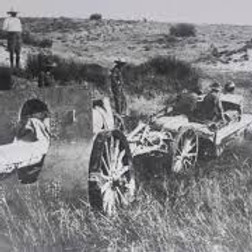
Fields and Private Properties

The state was able to expropriate private properties, with compensations to everyone. A sum that proved to be minimum, but could not be disputed.
Economic State of Spain 1930's.
The Second Spanish Republic's economy was mostly agrarian, focusing on the producing, consuming, and selling of agricultural goods. These goods included: wheat, olives, grapes, fruits, corn, and vegetables. From there, bread, oils, and wines– Spain’s main exports– were made. But, the agriculture struggled during Spring and Summer of most of the 1930s, where Spain experienced major droughts. Historians remember this period of Spain as one of a “backward nation,” since it was made present by large economic inequality. This was most noticeable in the south, like Granada, where a majority of citizens relied on agriculture, but only a certain few had land ownership. Although many fought for land reform and improved labor conditions, the rich few were victorious, particularly thanks to the divide of beliefs of the topic in the government.
At the same time, the Spanish Republic suffered economic hardships because of poor planning. While their main products (agriculture) were in the south, the major industries and equipment were located in the Basque region (north of Spain), making it difficult and very expensive to transport the resources through the mountainous Spanish land. Compounding economic woes was Spain's low export rate and heavily domestic manufacturing industry.
High levels of poverty, limited resources, and high percentage of land unused left many Spaniards open to extremist political parties in search of a solution. This, ultimately lead to the military (and its Nationalist movement) gaining support from the people and the beginning of the Spanish Civil War. This period of time did not immediately help the Rural Spain and its suffering, as it obligated both sides to distribute more budget to military arms rather than agriculture and its basic supplies. For more information, read the pages linked at the button below.